
Fort Wayne Warrant Checks
Fort Wayne hosts no separate city warrant portal. The Fort Wayne Police Department contact page points warrant questions to the Allen County Sheriff, which is the practical contact for active status. MyCase and the Clerk add the court context. A name on a vendor page is just a lead. A blank result is not a clearance certificate.
- Write down the full name, case or citation number, and court named on any notice.
- Use the sheriff-linked Allen County interface for a public first check and note its update date.
- Search MyCase by case number, citation number, or party name for the public docket.
- Call the Warrant Division at (260) 449-7636 for current status and surrender instructions.
- Ask the Allen County Clerk at (260) 449-7245 about the court file, then seek legal advice before appearing.
Call FWPD Records at (260) 427-2020 for a city police report, not a warrant certification. Spelling, suffixes, middle names, and aliases can change what a search returns. Keep the source and search date handy so the office can tell what you saw.
Fort Wayne Police Record Routes
City police records sit at 1 East Main Street, Suite 108, Fort Wayne, Indiana 46802. The non-emergency line is (260) 427-1222. FWPD keeps what its own officers create, while the Allen County Clerk holds Circuit and Superior Court files. The Sheriff runs the county public warrant channel. Ask the right office, or a simple report request can get mistaken for a status check. The official FWPD contact screen posts the city office plus its records and non-emergency routes.
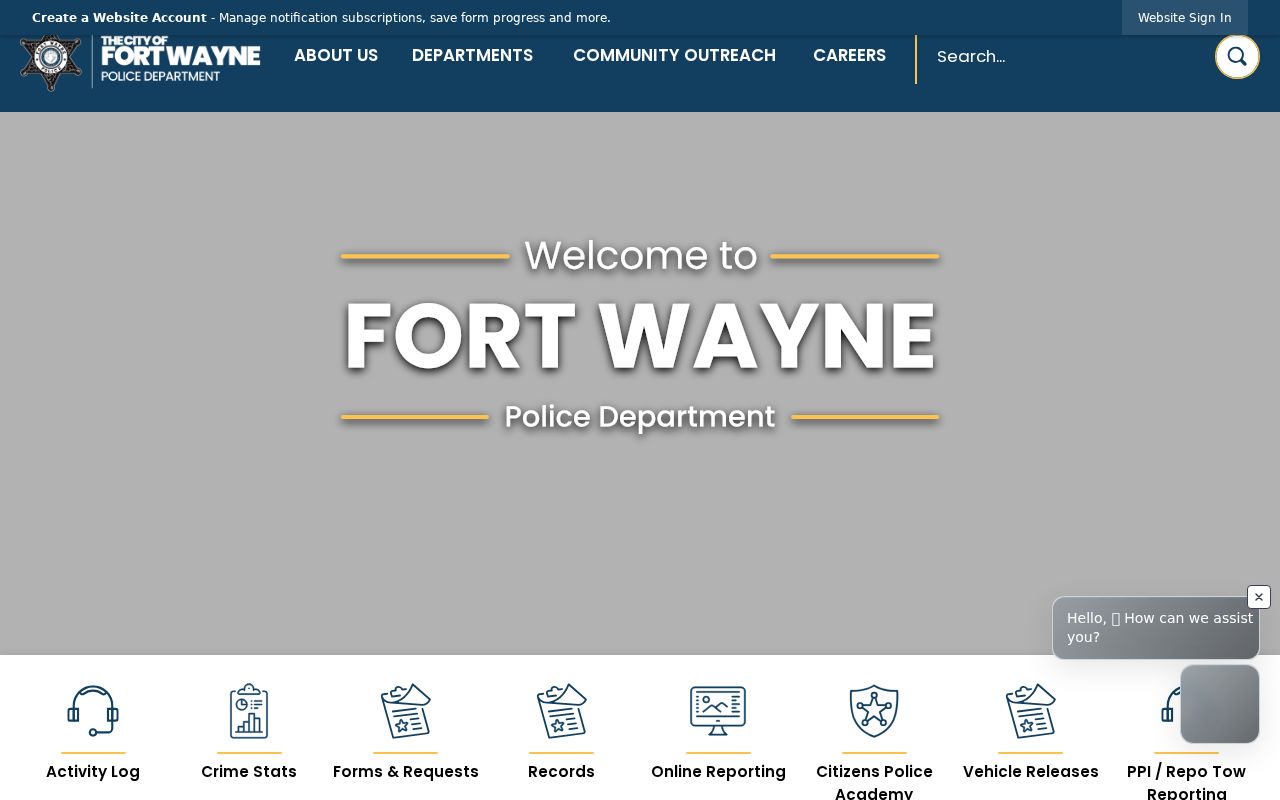
That page helps a Fort Wayne resident pick the police channel without confusing it with a city warrant list. If a report led to charges, get its number first. Then use the court case number for anything the court must answer.
Policing and Courts in Fort Wayne
FWPD can investigate, arrest, and serve process inside the city. It runs no separate Fort Wayne criminal court. Allen Circuit Court and the Allen Superior Courts issue and administer trial-court process, and the elected Allen County Clerk keeps those records. Traffic and misdemeanor cases move through the Allen Superior Misdemeanor & Traffic Division.
Fort Wayne Police
1 East Main Street, Suite 108
Fort Wayne, IN 46802
Records: (260) 427-2020
Use for FWPD incident and police-record questions.
Allen County Court Record
Allen County Clerk
715 South Calhoun Street, Room 200A
(260) 449-7245
Use for the official Circuit or Superior Court file.
The Emergency Services Team may back high-risk operations. It does not serve every warrant. Service depends on risk, jurisdiction, and assignment, and a judge or magistrate issues the process while authorized law enforcement carries it out in Fort Wayne.
Fort Wayne Warrant Downtown Route
Three downtown Fort Wayne stops sit close together, but each does a different job. The Allen County Courthouse on South Calhoun Street houses the Clerk's main court-record functions. The Charles "Bud" Meeks Criminal Justice Center at 101 East Superior Street handles misdemeanor and traffic court work. The published voluntary-surrender entrance is Allen County Lockup Door #21, on the north side of Superior Street between Calhoun and Clinton. Know which office you need before you travel. For a surrender, the Sheriff says to bring photo identification, and a person may post cash or surety bond when the case permits. Call first. Booking, a hearing, a hold, or custody may follow. The Sheriff posts no single universal bond chart. A balance on a payment page does not prove recall. Court staff cannot privately advise a party or promise a ruling. The Clerk's public hours run weekdays from 8:00 a.m. to 4:30 p.m., except holidays, and the Warrant Division publishes the same span. Some civil work closes at noon. Hours can change, so call before a special filing or warrant question. Courthouse security also restricts weapons, phones, and cameras, so carry only what your destination allows in Fort Wayne court facilities.
Warrants in Fort Wayne: The Main Types
The label on a Fort Wayne warrant record decides which office can answer the next question. Local sources say "bench warrant" and "failure to appear," not capias. Civil body attachments and tax warrants are separate animals from criminal warrants.
| Process | How It Arises | Best Confirmation |
|---|---|---|
| Arrest warrant | A judge authorizes arrest after a probable-cause request. | Issuing court and Sheriff |
| Bench warrant | A court responds to a missed date or noncompliance. | MyCase, Clerk, Sheriff |
| Probation or parole warrant | A supervision authority reports an alleged violation. | Supervision office |
| Family process | An order arises in a family case. | Superior Court division |
| Body attachment | Civil contempt brings a person before court. | Clerk and civil process |
A search warrant authorizes a search, not a public person-status lookup. A Fort Wayne reader should also know an Indiana Department of Revenue tax warrant is a collection record, not a criminal arrest warrant.
Fort Wayne Traffic Paths Split
Fort Wayne traffic matters can travel more than one channel. Allen Superior Misdemeanor & Traffic Court hears cases at the Bud Meeks center. Its electronic check-in asks you to watch the overhead monitor, enter a last name at a kiosk when prompted, select the case, and follow the directions. That kiosk is a check-in tool, not a warrant database. The city deferral program starts at the Violations Bureau, 200 East Berry Street, Suite 110, then moves to the court for paperwork and payment. The program lists a $143 speed-user fee plus $81.50 court costs, totaling $224.50, but confirm eligibility, price, and status yourself. Parking citations take a separate city route with a 30-day pay-or-appeal window. Neither a parking notice nor a payment proves a bench warrant exists or was recalled. For court-focused detail, see Allen County traffic warrants.
Fort Wayne Warrant Records: What They Show
Skip the names on a live Fort Wayne listing. Start instead with the case number, the issuing court, and the charges as filed. MyCase can show a chronological case summary, public dates, status, and some orders. Even that display may omit restricted material or lag behind what an operational warrant check returns.
| Case number | A court identifier such as 02D05-2609-CM-000000; verify the real number. |
|---|---|
| Warrant type | Arrest, bench, probation, parole, family, or civil attachment. |
| Issuing court | The Allen Circuit or Superior Court division controlling the case. |
| Public date | An issue, hearing, or docket date when open to inspection. |
| Status | Active, served, recalled, or another custodian-confirmed state. |
| Bond instruction | A case-specific amount or method, if public and current. |
An old image of a court page will not settle your status or bond amount. Call the Fort Wayne court that issued the warrant and its Warrant Division for what controls today.
Fort Wayne Census Context
Fort Wayne counted 263,886 residents in the 2020 Census. That makes it the largest incorporated place in Allen County. Population says nothing about warrants. It does explain why city police records, county court records, and Sheriff warrant operations sit at separate access points. The official incorporated-place table is the comparable population source behind the local ranking.
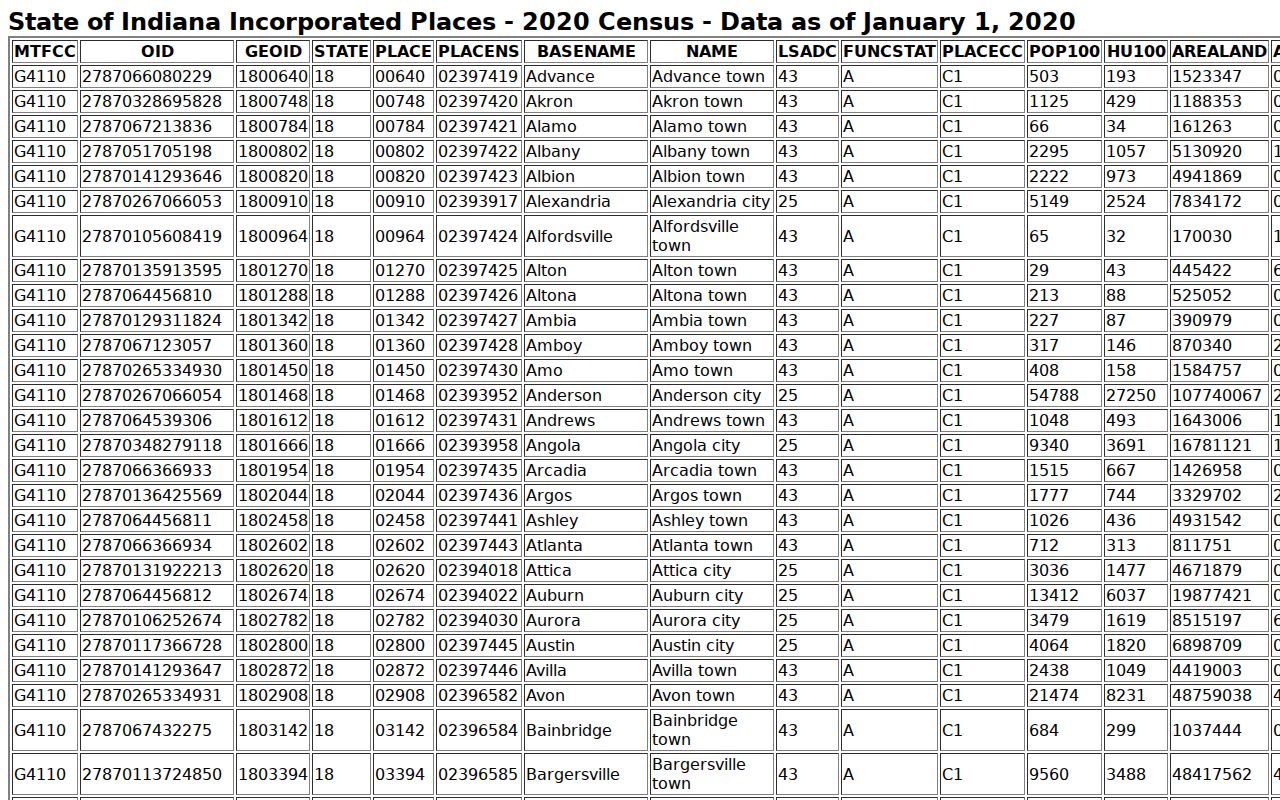
The Census figures size Fort Wayne's government, never its warrant docket or its crime rate.
Fort Wayne Warrants and Allen County
A Fort Wayne police investigation can end in charges filed at the county level. An FWPD case may prompt a judicial request. An Allen court may then issue process, and authorized officers serve it. Indiana offers no public statewide criminal-warrant search. MyCase is a case-information service, while IDACS and NCIC stay inside law enforcement. For the wider route, see Allen County warrant records.
Warrant flow: Fort Wayne Police investigation › Allen Circuit or Superior Court process › Sheriff or authorized police service › law-enforcement systems
These records differ. A city police report, a MyCase docket, and a sheriff-linked result answer different questions, so verify current status with the Fort Wayne agency that owns the record.
Fort Wayne Tip Checks Differ
A 2025 Fort Wayne release described an anonymous tip, an officer's records check, and transport to the Allen County Lockup. Names stay out. Officers verified the tip through operational systems before acting, which a public web search does not do. So an online result may not be complete.
Use the right line. Crime Stoppers and the Sheriff tip line receive public-safety information. A person checking their own status should call the Warrant Division, not submit a tip.
Never approach or detain someone over a listing. Service belongs to police and the Sheriff. A Fort Wayne resident helping a relative can pass a case number to counsel or the right court without republishing personal details.
Accessing Fort Wayne Warrant Records
Fort Wayne police records, Sheriff records, and court records answer to different offices. The Indiana Access to Public Records Act governs agency records, while Indiana court-access rules govern judicial ones. A report FWPD created goes to FWPD. Court documents go to the Clerk, and Sheriff-held non-exempt records use the Sheriff records route.
Key rules:
Indiana Access to Public Records Act sets the public-agency access policy, subject to exemptions.
Indiana Court Records Rule 4 states the court-record access baseline.
Rule 5 protects sealed, juvenile, investigative, and some temporary arrest-warrant material.
A withheld Fort Wayne record can reflect a lawful restriction, not the absence of a warrant. Online data is never the official court record.
Resolving a Fort Wayne Warrant
Fort Wayne residents often start with a city police contact, a court notice, or a traffic citation. Save every number first. Keep the incident, citation, and case numbers, since each points to a different record. FWPD can find its own report. The Clerk and the Warrant Division confirm the judicial process, which helps most when the arresting agency and the issuing court are not the same office. That handoff matters in Fort Wayne. Then confirm court, case number, warrant type, and status. An attorney can raise the right formal step. If the Sheriff directs a surrender, the published route is Door #21 with photo identification, and cash or surety bond may be accepted when authorized, though release is never promised.
- Confirm the case with the Warrant Division and Clerk.
- Ask whether counsel, a hearing, surrender, or bond is next.
- Bring identification and plan for custody if directed to appear.
- After an order or payment, obtain confirmation of recall or disposition.
- Keep the order, receipt, next date, and office contact.
Posting bond is not dismissal, and payment does not recall a warrant on its own. A missed new date can add court process. Warrant type also decides which office handles it. A probation or parole warrant may require the supervising authority instead. A family matter belongs with its Allen Superior division. A civil body attachment should go to the Clerk and civil process staff, not be treated as a criminal charge, while tax warrants use the Indiana Department of Revenue route. Sort the type first in Fort Wayne and you avoid the wrong step.